TDS Meter Explained: How It Works, How to Use It and What Your Reading Means
Posted: November 3, 2026
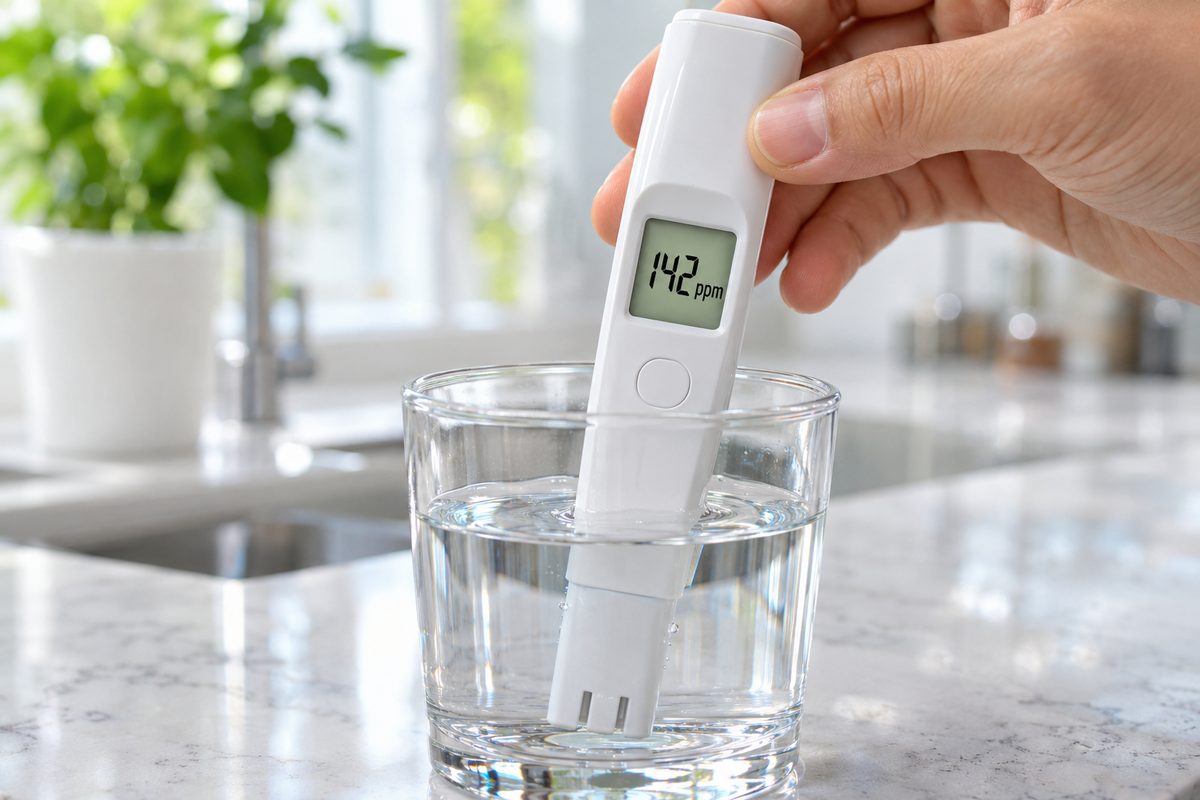
A TDS meter is one of the most common instruments in water testing, and one of the most misunderstood. It gives you a number in seconds — but what that number actually tells you, and what it does not, trips up a lot of people.
This guide explains what a TDS meter measures, how to use and calibrate it correctly, how to read the result and when you need something more than TDS. It is written for facility managers, water treatment technicians, food and beverage QC staff and anyone in the UAE checking the water from a desalination supply, RO system or process line.
TDS stands for Total Dissolved Solids — the combined mass of all inorganic salts and small amounts of organic matter dissolved in water, usually expressed in milligrams per litre (mg/L) or parts per million (ppm). The two units are interchangeable for water.
How a TDS meter actually works
A TDS meter does not count dissolved solids directly. It measures electrical conductivity (EC) — how easily a current passes between two electrodes in the water — and converts that to an estimated TDS using a fixed factor. Dissolved salts carry charge, so more salt means higher conductivity and a higher TDS estimate.
That conversion factor is why two meters can disagree on the same sample. Most meters use a factor between 0.5 and 0.7 (NaCl-based meters sit around 0.5; “442” natural-water meters around 0.7). It is also why a TDS meter cannot detect anything that does not conduct — bacteria, viruses, most pesticides and many organic contaminants are invisible to it.
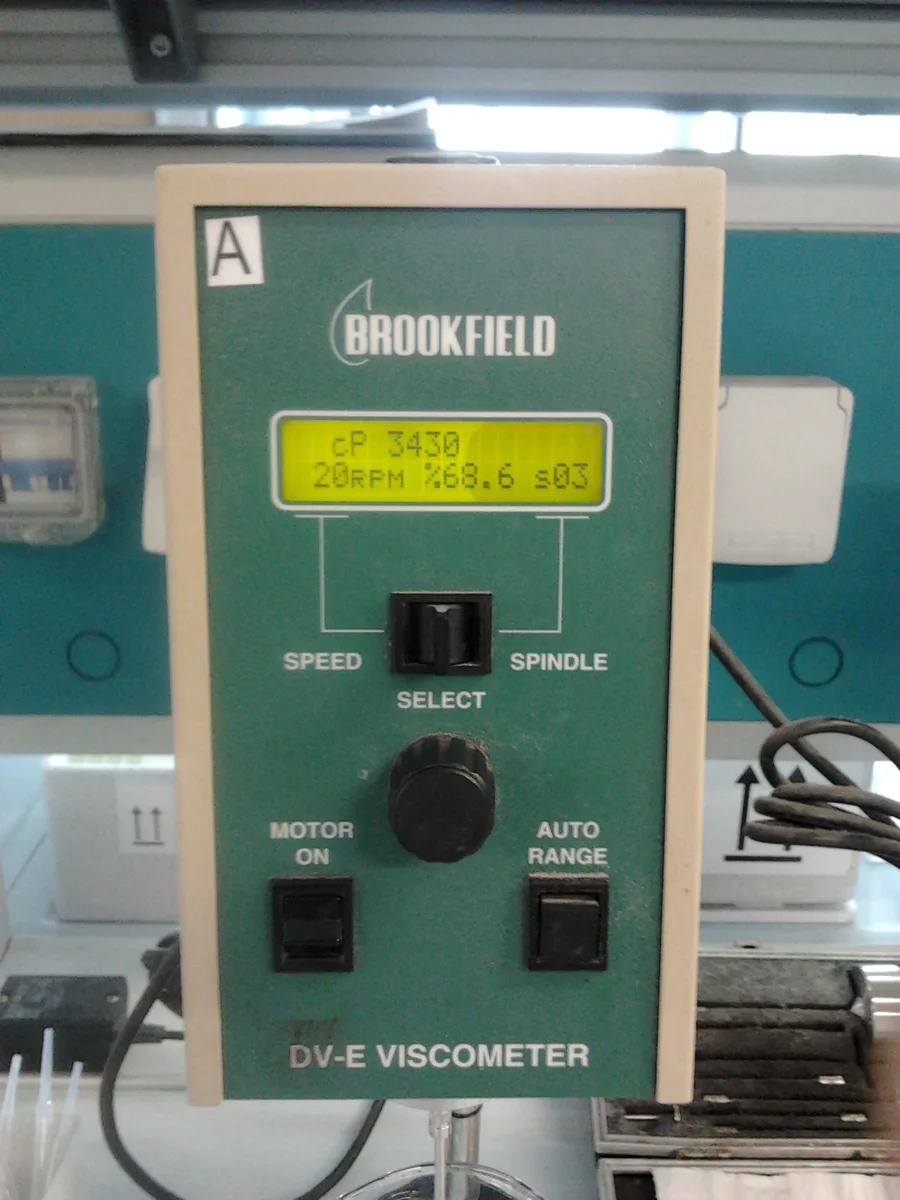
Many handheld units are combined TDS/EC meters and let you switch display between ppm and microsiemens per centimetre (µS/cm). For laboratory and regulatory work, conductivity in µS/cm is the primary measurement; TDS is the derived convenience number.
Types of TDS meters
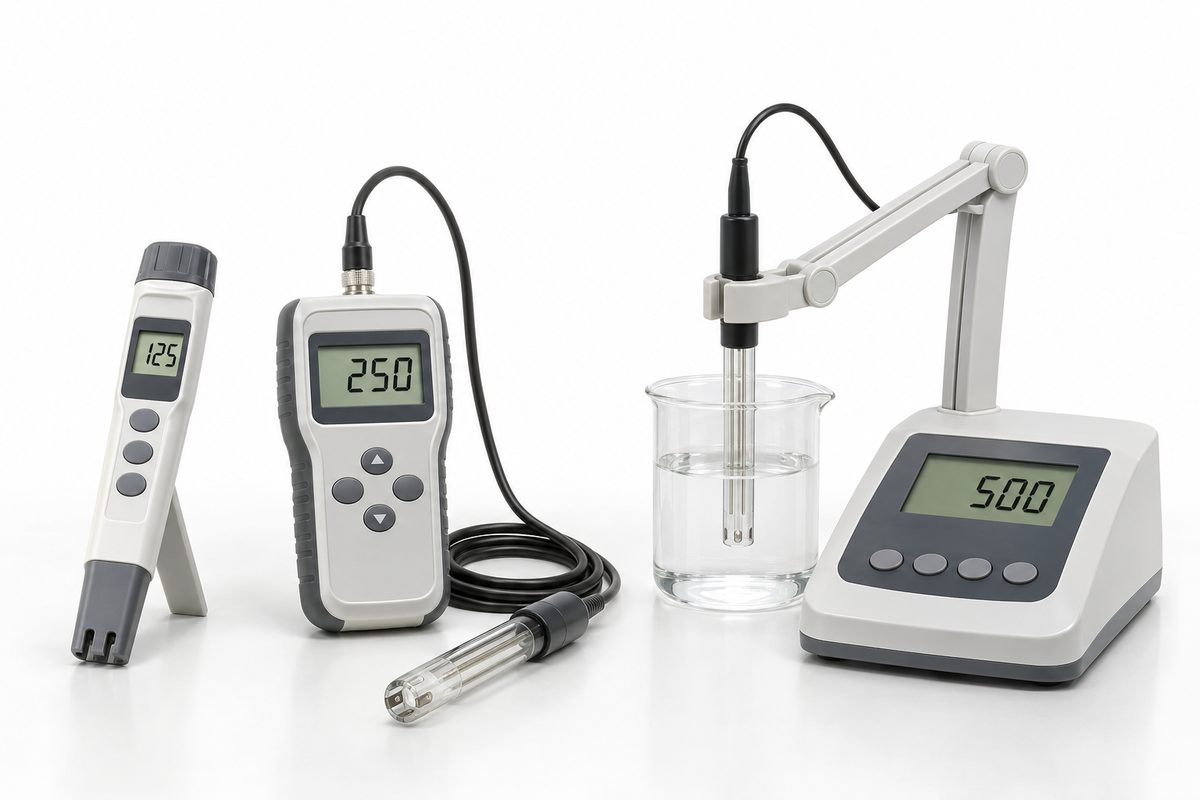
- Pen-type digital TDS meters — pocket-sized, battery powered, ideal for spot checks of drinking water, RO output and aquariums. Low cost; accuracy typically ±2%.
- Portable TDS/EC/temperature meters — larger handhelds with replaceable probes, better accuracy and data logging. Suited to field technicians and water-treatment contractors.
- Benchtop conductivity/TDS meters — laboratory-grade, with automatic temperature compensation, multiple calibration points and GLP record keeping. The choice for QC labs and accredited testing.
- Inline/process TDS monitors — permanently installed on RO systems and process lines to monitor continuously and alarm on drift.
How to use a TDS meter: step by step
- Check calibration first. Use a standard solution of known value (commonly 1413 µS/cm or a 342 ppm NaCl standard). If the meter reads outside the tolerance printed on the standard, calibrate before testing.
- Rinse the probe. Rinse with distilled or deionised water and shake off excess. Residue from the last sample skews the next reading.
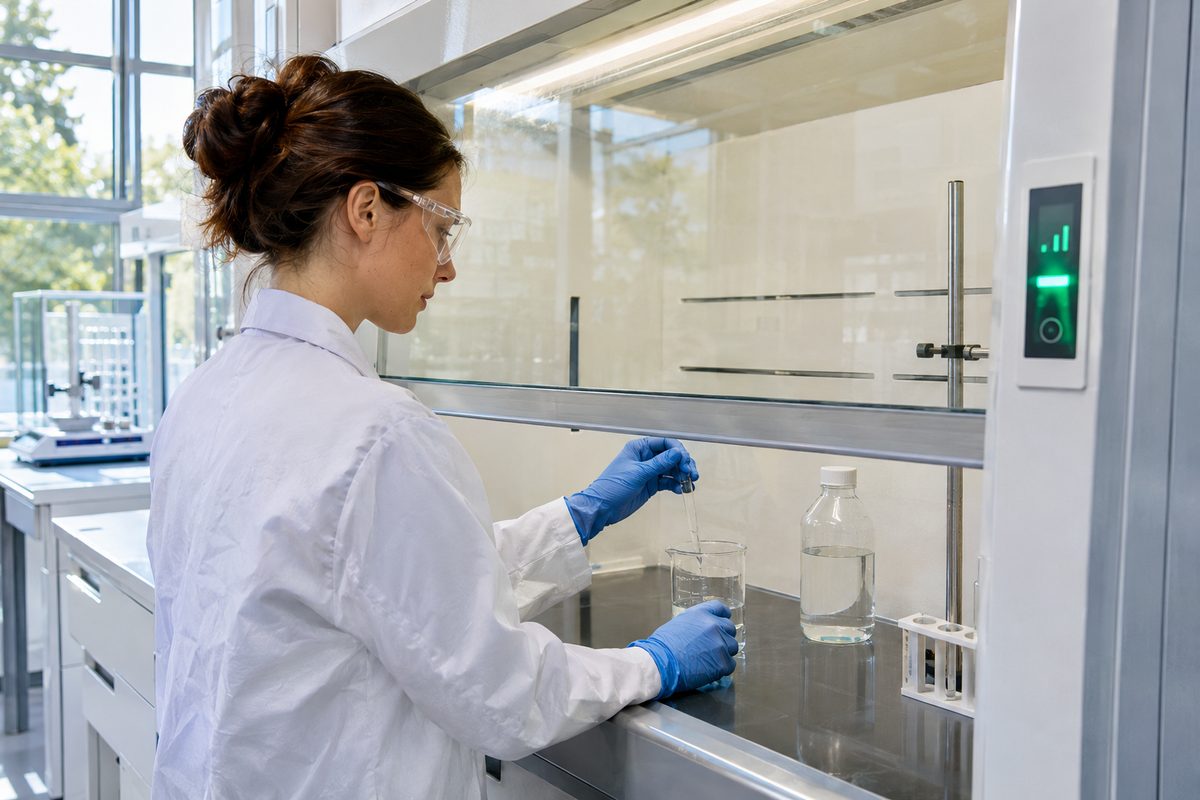
- Collect the sample. Use a clean plastic or glass container. For tap water, run the tap for 30 seconds first. Fill to a depth that fully covers the electrodes.
- Let temperature settle. Conductivity changes with temperature. Most meters have automatic temperature compensation (ATC) to 25 °C, but give the probe 20 to 30 seconds to equalise.
- Immerse and stir gently. Submerge the electrodes to the marked line and swirl lightly to dislodge air bubbles. Do not touch the bottom or sides.
- Wait for a stable reading. Many meters show a hold or stable icon. Record the value with its unit (ppm or µS/cm) and the temperature.
- Rinse and cap. Rinse again with distilled water, dry gently and replace the cap to protect the electrodes.
What does your TDS reading mean? A practical chart
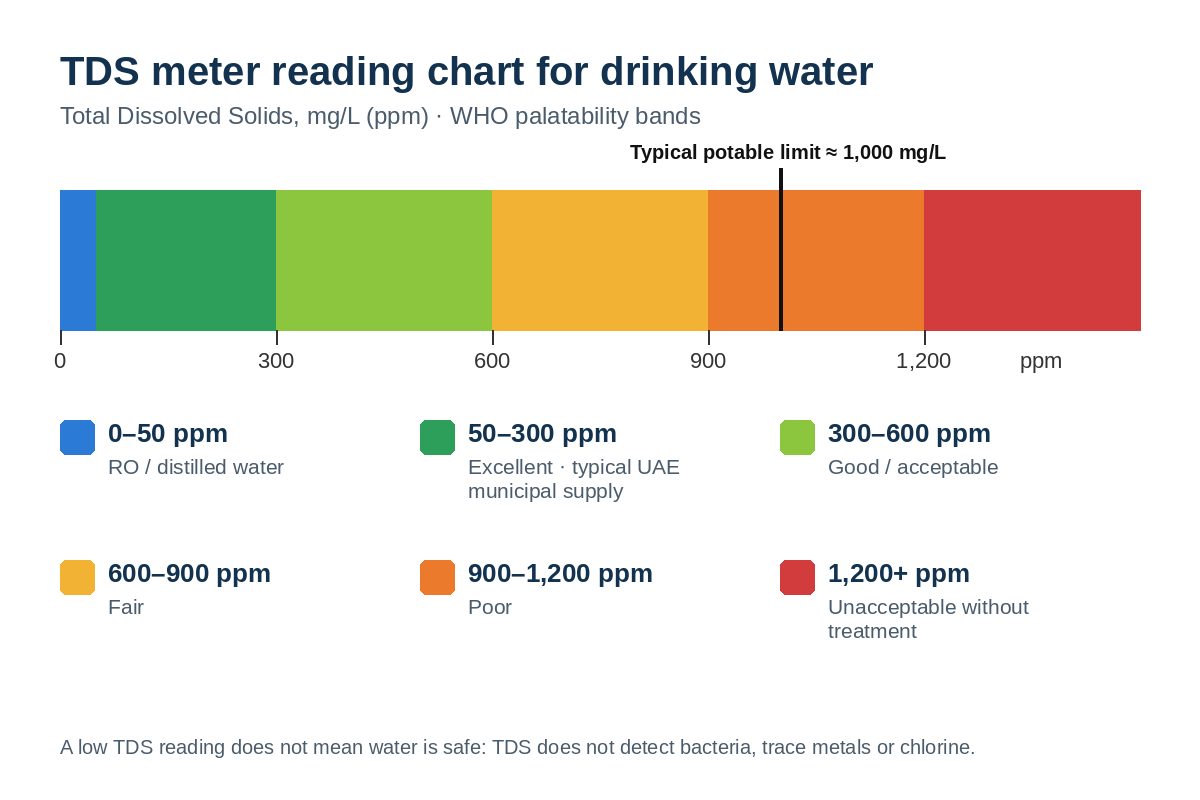
For drinking water, the World Health Organization describes palatability by TDS rather than setting a health-based limit: below about 300 mg/L is rated excellent, 300 to 600 good, 600 to 900 fair, 900 to 1,200 poor and above 1,200 unacceptable. Many national standards, including those used across the GCC, set a maximum around 1,000 mg/L for potable water.
- 0–50 ppm — very low; typical of RO permeate and distilled water. Fine for process use; some find it flat-tasting for drinking.
- 50–300 ppm — low to ideal for drinking water. Most UAE municipal desalinated supply falls here.
- 300–600 ppm — acceptable; mineral taste becomes noticeable towards the top of the range.
- 600–1,000 ppm — fair to poor; check source and treatment; approaching the usual potable limit.
- Above 1,000 ppm — generally unsuitable for drinking without treatment; typical of brackish well water and some untreated groundwater.
Two cautions. First, a low TDS reading does not mean water is safe — it says nothing about microbial contamination, heavy metals at trace levels or chlorine. Second, in reverse osmosis systems the useful figure is often rejection rate (feed TDS vs permeate TDS), not the permeate number alone. A healthy RO membrane rejects 90 to 98 percent of feed TDS; a falling rejection rate signals a membrane that needs cleaning or replacing.
TDS testing in UAE water: what to expect
Most municipal water in Dubai, Abu Dhabi and Sharjah is desalinated and re-mineralised, so TDS at the tap is usually modest. Readings climb where buildings have older tanks or long internal pipework, and where private wells feed irrigation or industrial processes — those often read well above 1,000 ppm and need RO or blending.
For food and beverage producers, TDS is a quick process-control check on ingredient water, boiler feed and CIP rinse water. For laboratories, it is a daily verification of deionised and reagent-grade water, which should read close to zero on a TDS meter and is better tracked in µS/cm or resistivity.
How to calibrate and care for a TDS meter
- Calibrate against a certified conductivity standard at least monthly, or whenever readings seem off; benchtop meters in QC labs are usually checked daily.
- Use fresh standard poured into a clean cup — never dip into the bottle.
- Keep electrodes clean; soak in a mild cleaning solution if a film builds up, then rinse.
- Store the probe dry with its cap on (unlike a pH electrode, which must be stored wet).
- Replace batteries when the low-battery icon appears; weak batteries cause unstable readings.
- Keep a log of calibration dates and standard values for traceability.
Choosing a TDS meter for your needs
For household or quick RO checks, a pen meter is enough. For water-treatment contractors and facility teams, a portable TDS/EC meter with a replaceable probe and ATC pays for itself in reliability. For laboratories, regulated food plants and accredited testing, specify a benchtop conductivity meter with multi-point calibration, selectable TDS factor and GLP data storage.
Hydra Scientific & Chemicals Trading LLC supplies TDS meters, conductivity meters, calibration standards and complete water-testing kits to laboratories, facilities and water-treatment companies across the UAE.
About the author
This guide was prepared by the technical team at Hydra Scientific & Chemicals Trading LLC, an ISO 9001:2015 certified supplier of laboratory instruments and water treatment and testing equipment in the UAE. The team supports water-quality monitoring for municipal, industrial, food-and-beverage and laboratory clients across Dubai, Abu Dhabi and Sharjah.
Frequently Asked Questions
What does a TDS meter measure?
A TDS meter measures the electrical conductivity of water and converts it to an estimate of Total Dissolved Solids in ppm or mg/L. It reflects dissolved salts and minerals, not bacteria, viruses or most organic contaminants.
What is a good TDS reading for drinking water?
WHO rates water below about 300 mg/L as excellent and 300 to 600 as good for taste. Most standards set a potable maximum around 1,000 mg/L. Very low readings (under 50) are typical of RO water.
Is a TDS meter the same as an EC meter?
They measure the same property — conductivity. An EC meter displays microsiemens per centimetre; a TDS meter applies a conversion factor to show ppm. Many instruments do both.
How do I calibrate a TDS meter?
Rinse the probe, immerse it in a fresh certified standard (such as 1413 µS/cm or 342 ppm NaCl), wait for a stable reading and adjust the meter to the standard’s value following the manufacturer’s procedure. Calibrate monthly or whenever readings drift.
Can a TDS meter tell me if water is safe to drink?
No. It indicates dissolved mineral content only. Microbiological safety, heavy metals and chemical contaminants require separate tests.
Where can I buy a TDS meter in the UAE?
Hydra Scientific supplies pen, portable and benchtop TDS and conductivity meters with calibration standards across Dubai, Abu Dhabi and Sharjah. Contact the team for a recommendation based on your application.
Need reliable water testing? Explore our water treatment and testing range at hydrauae.com/water-treatment-equipment.php or contact our team to choose the right TDS or conductivity meter for your site.