Magnetic Separator vs Metal Detector in Food Processing
Posted: October 20, 2026
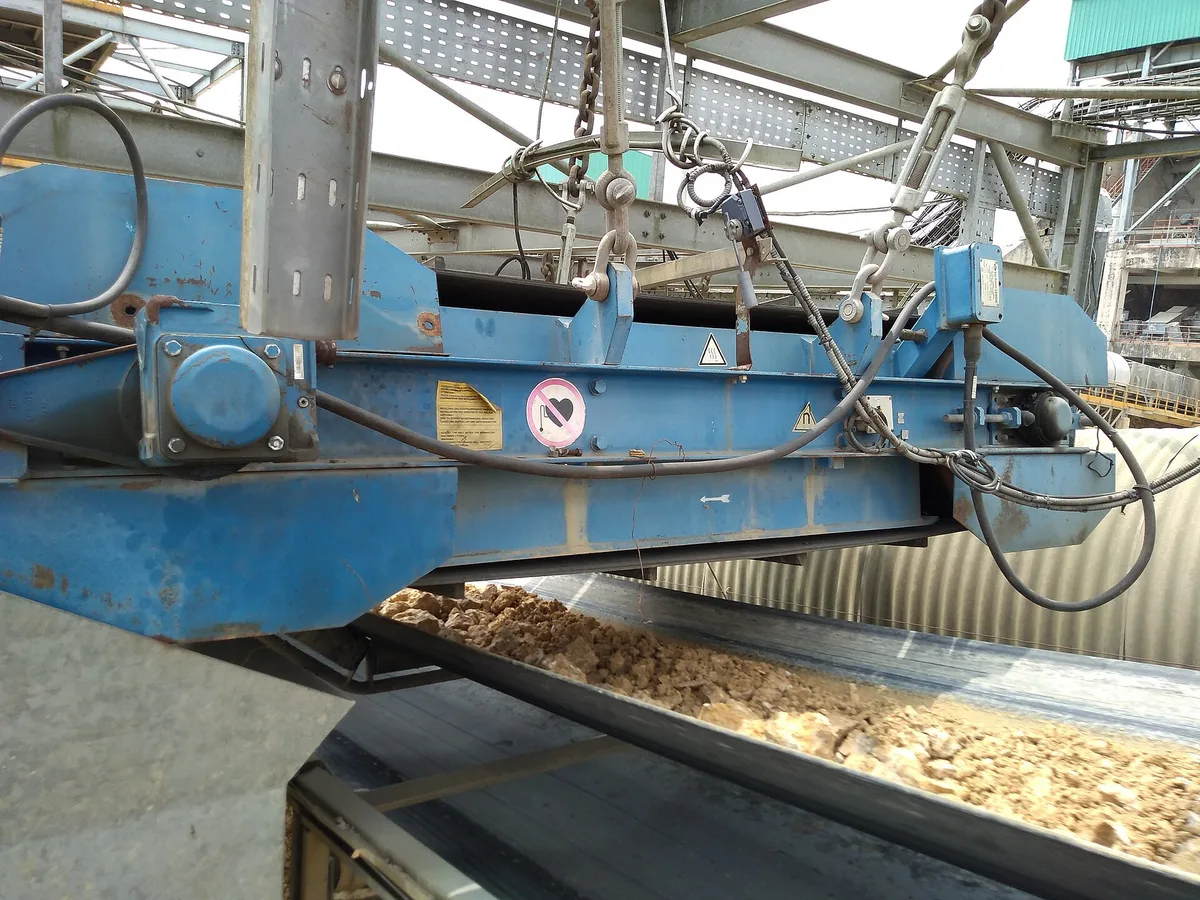
“We already have a metal detector, so why do we need magnets?” It’s a fair question, and it often comes from a production manager looking at a quote. The short answer is that the two do different jobs. A magnet removes ferrous metal from the product and keeps it. A metal detector finds metal of any kind in finished product and throws that product away. Each one covers a gap the other leaves.
Quick answer: A magnetic separator removes ferrous metal from the product flow and keeps it, without rejecting any product. A metal detector finds ferrous, non-ferrous and stainless steel metal in finished product and rejects it. Magnets go early in the process and the detector is the final check on packed product, so most food plants need both.
How a magnetic separator works
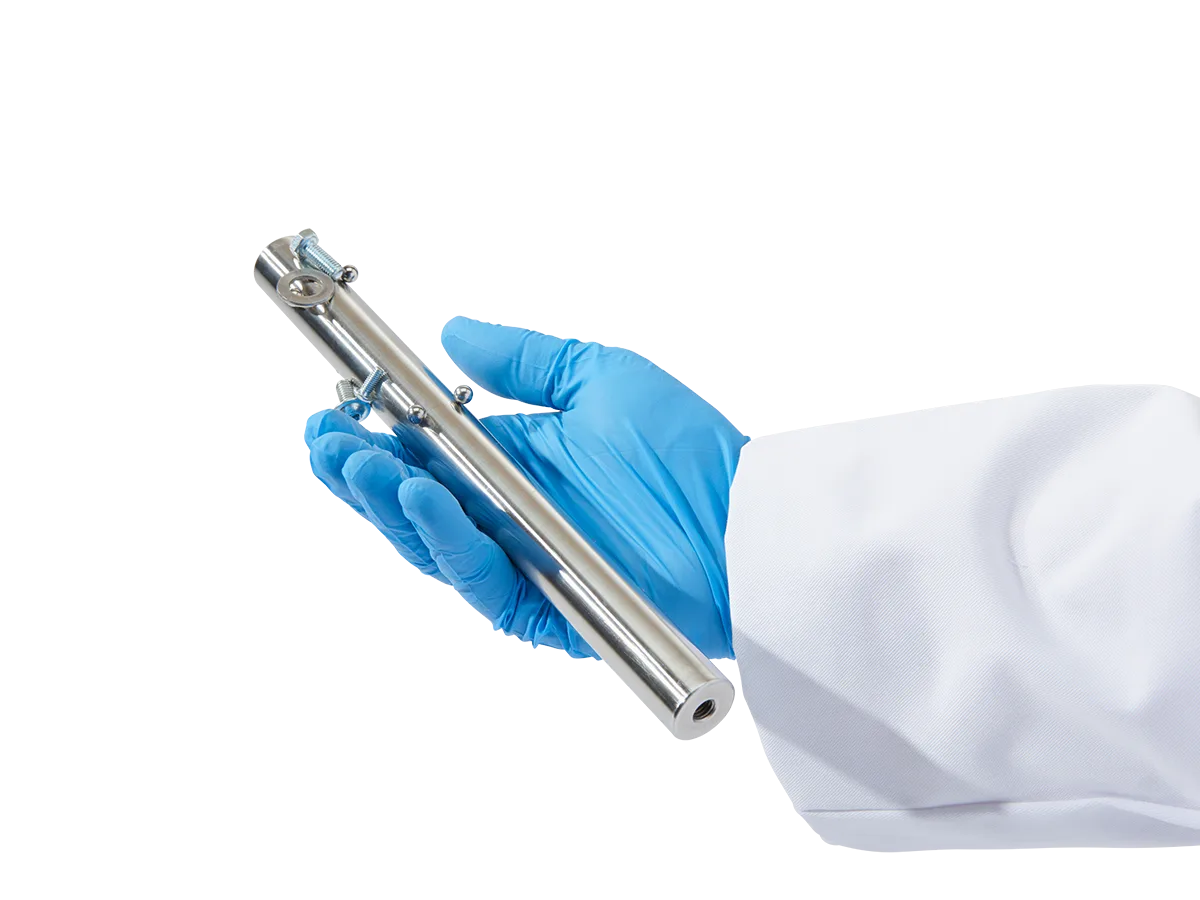
A magnetic separator sits in the product flow: in a hopper, a chute, a pneumatic line or a liquid pipeline. Its stainless steel tubes contain strong neodymium magnets. Iron and steel particles that pass close by are pulled out of the product and held on the tube surface until the magnet is cleaned.
Nothing is rejected and the line keeps running. The metal is actually taken out of the food, including particles too fine for any detector to see.
How a metal detector works
Most food metal detectors use a balanced coil system. Product passes through an aperture surrounded by coils carrying a high-frequency signal. Any metal passing through disturbs the signal, and the detector triggers a reject device (an air blast, a pusher or a retracting belt) to remove that pack or portion from the line.
A detector finds ferrous metal, non-ferrous metals such as aluminum, copper and brass, and stainless steel. But it does not remove the metal from the food. It removes the food, metal included, and only when the piece is above its detection limit.
What each one misses
Magnetic separator
- Non-ferrous metals: aluminum, brass, copper
- Most non-magnetic stainless steel, although worn or work-hardened fragments are often caught
- Anything that passes too far from the magnet surface or too fast, if the unit is undersized
Metal detector
- Particles below its sensitivity limit, which depends on aperture size and product
- Stainless steel is the hardest metal to detect, so the stainless detection limit is usually the largest
- “Product effect”: wet, salty or warm products such as sauces, cheese and meat give off their own signal, which reduces sensitivity
- Metal in bulk product upstream, before packing, where most detectors aren’t installed
Side-by-side comparison
| Magnetic separator | Metal detector | |
|---|---|---|
| Metals caught | Ferrous; some stainless | Ferrous, non-ferrous, stainless |
| What happens | Metal removed, product continues | Product rejected |
| Very fine particles | Yes | No, below sensitivity limit |
| Typical position | Intake, mid-process, before equipment | End of line, on packed product |
| Power | None (permanent magnets) | Yes |
| Protects equipment | Yes | No |
| Routine check | Cleaning log, annual gauss test | Test pieces (Fe, non-Fe, stainless) each shift |
Why most food plants use both
Think of it as layers. Magnets near the start of the process take out most of the ferrous metal while it is still loose and easy to catch. They protect mills, pumps and fillers along the way, and they reduce how often the metal detector has to reject product at the end. The detector then acts as the final check on packed product, catching non-ferrous and stainless pieces the magnets can’t hold.
There is a cost argument too. Every reject from a metal detector is finished, packed product thrown away or held for investigation. Metal held on a magnet costs nothing except the few minutes to wipe it off. And the metal found on each magnet tells you where it is coming from, so you can fix the source.
Some plants handling high-risk products, such as baby food or products in metallized packaging, add X-ray inspection instead of or alongside metal detection. X-ray also finds glass, stone and dense plastic. It doesn’t change the role of magnets upstream.
Placement in practice
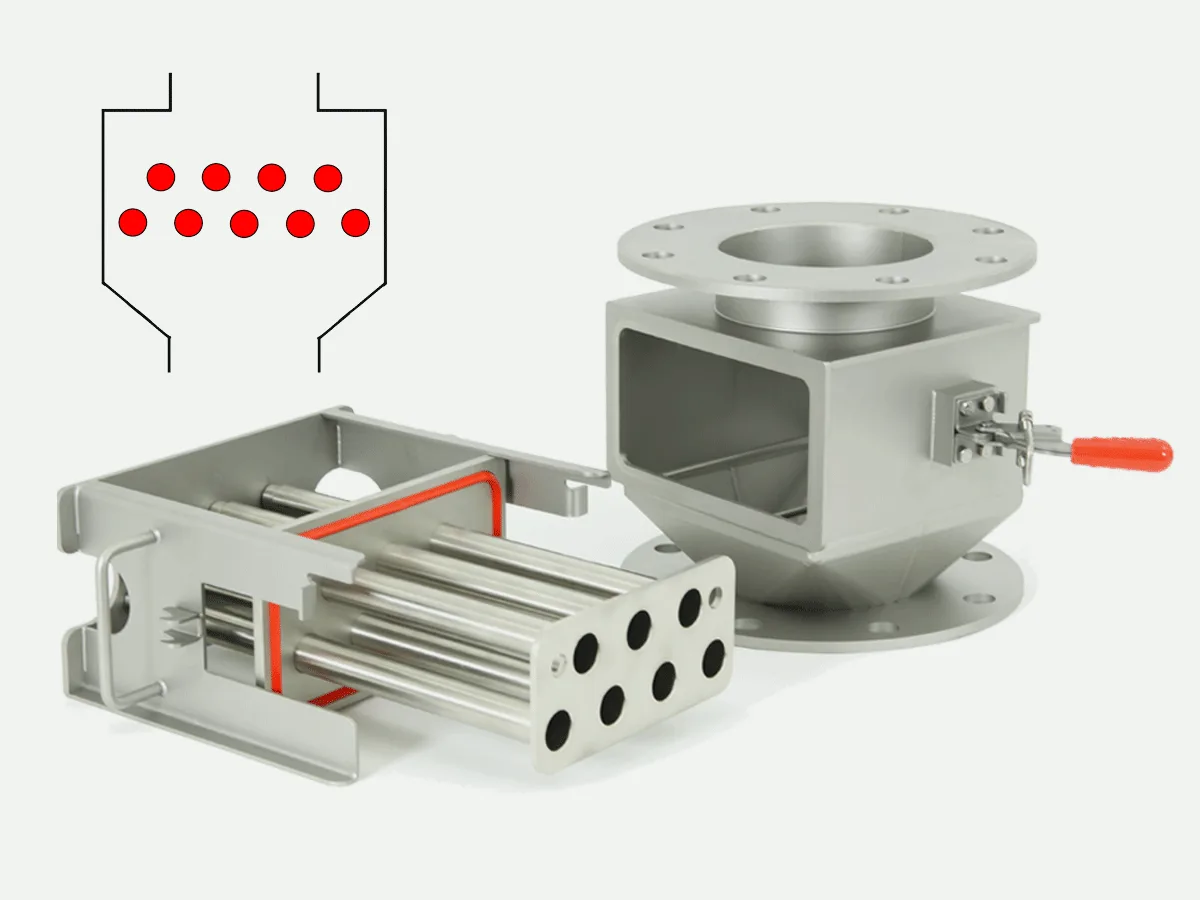
- A grate magnet in the tipping station or intake hopper, for raw materials
- A drawer magnet in the chute after sieving and before milling
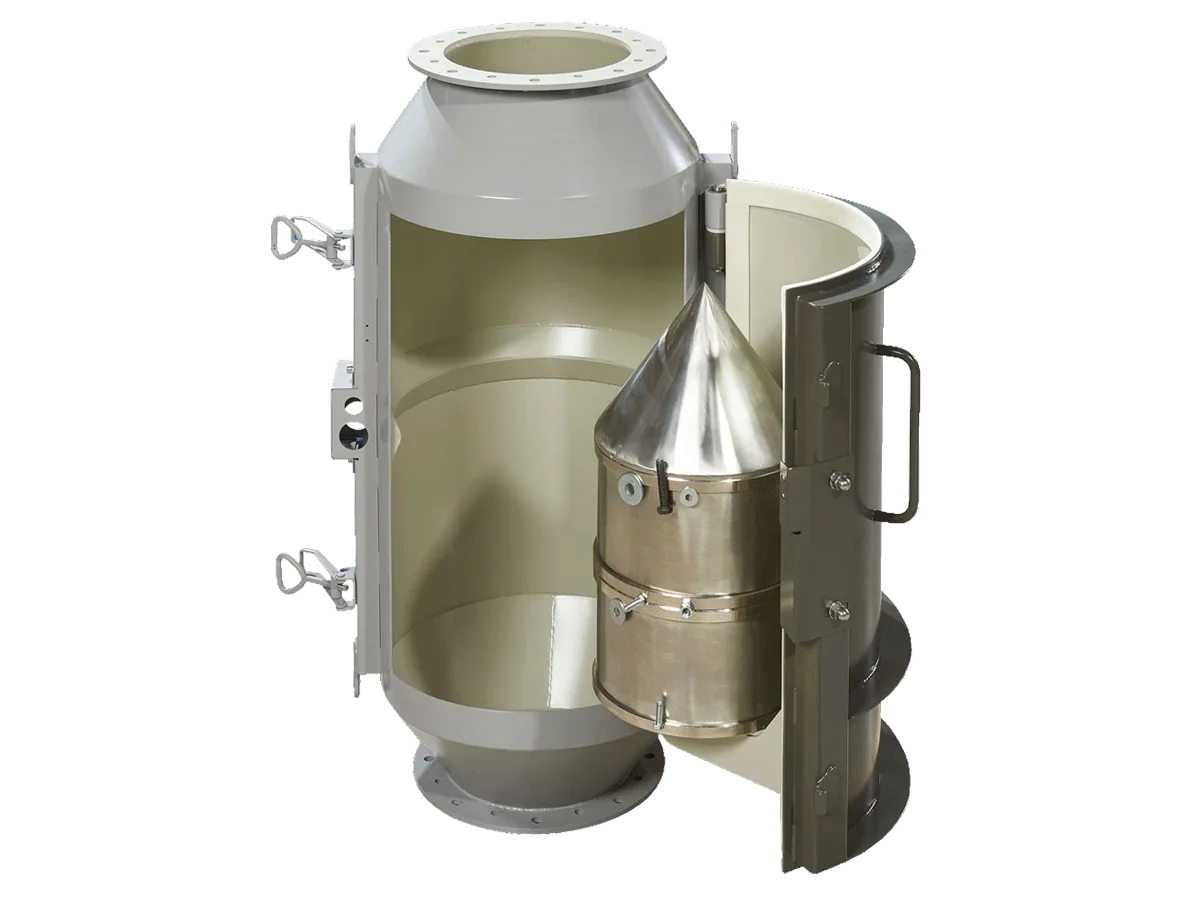
- An inline bullet magnet in pneumatic conveying lines
- A liquid trap magnet before pumps and fillers on liquid and paste lines
- After packing, a metal detector or X-ray system with an automatic reject and a locked reject bin
What auditors look for
Whether it is a Dubai Municipality or ADAFSA inspection or an FSSC 22000 or BRCGS audit, the questions are similar. Where are your metal controls? How do you know they work? What happens when they find something?
For magnets, that means a cleaning schedule, a log of what was found, and periodic strength tests. For metal detectors, it means test-piece checks at set intervals, a documented response when a check fails, and a reject system that can’t be bypassed.
Frequently asked questions
Can a magnet replace a metal detector?
No. Magnets don't catch aluminum, brass or copper, and they catch only some stainless steel. Food safety audits expect a final metal detection or X-ray check on finished product.
Can a metal detector replace magnets?
Not well. A detector misses particles below its sensitivity limit, only checks product where it is installed, and every detection means rejected product. Magnets remove fine ferrous metal early and protect mills, pumps and fillers.
Where should the metal detector go on a food line?
After packing, or on the last open product stream before packing, with an automatic reject into a locked bin and test-piece checks at set intervals.
As a Goudsmit Magnetics dealer, Hydra supplies Goudsmit food grade magnetic separators, including grate magnets, drawer magnets, liquid trap magnets and inline magnets, across the UAE and GCC. See magnetic separators for food processing, read how magnetic separators prevent metal contamination, or contact us on +971 4 591 1958 or sales@hydrauae.com.