Bostwick Consistometer vs Viscometer: Which Do You Need?
Posted: October 13, 2026
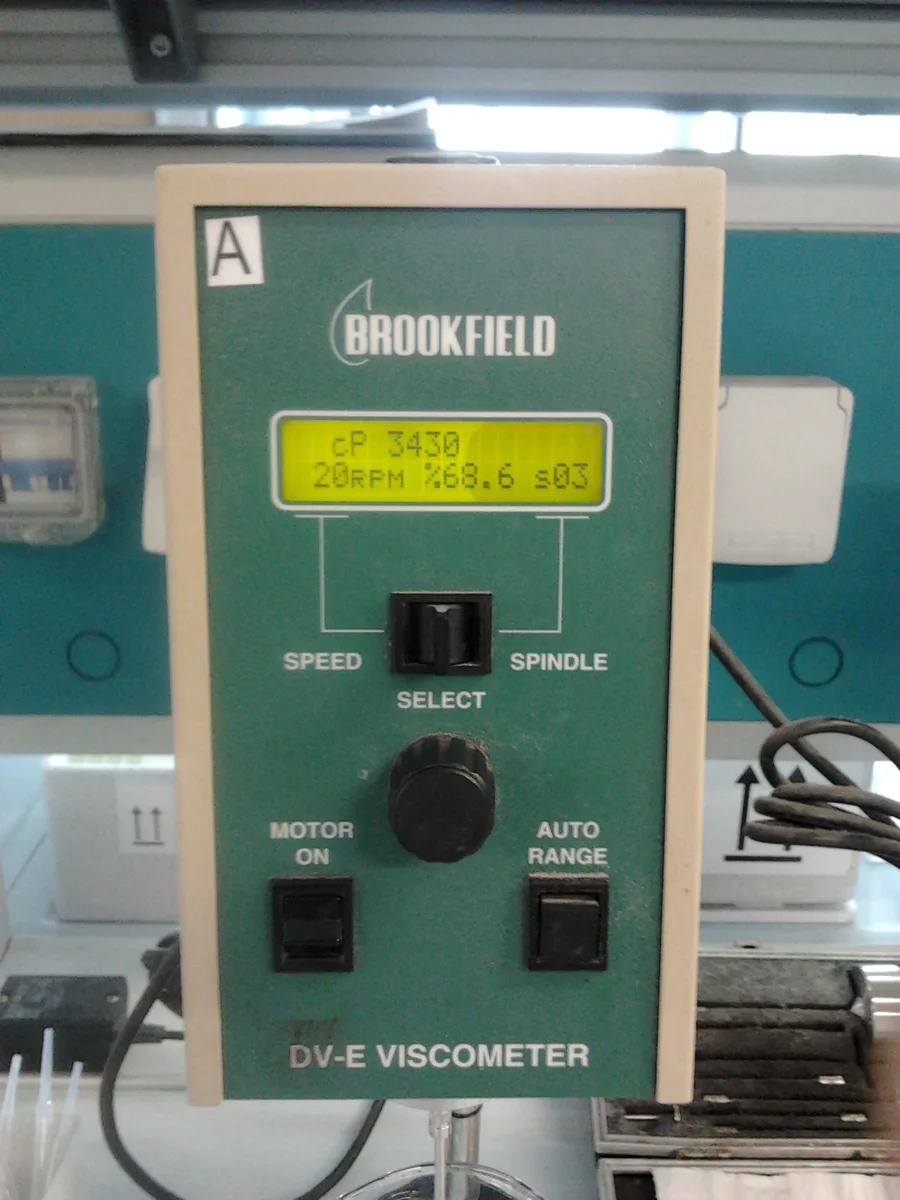
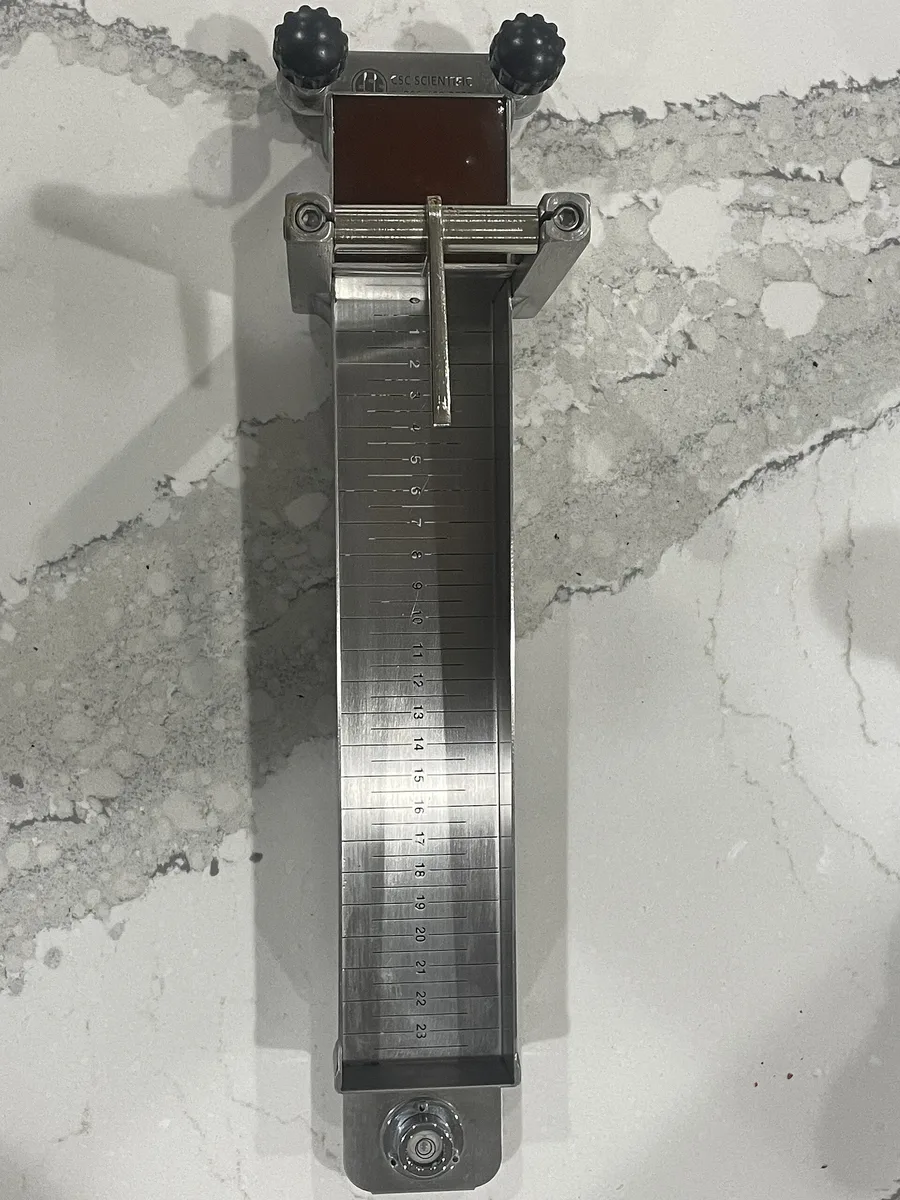
A Bostwick consistometer costs a fraction of a digital viscometer, needs no power and takes a minute to use. So why do so many food labs have both? Because they answer different questions. The Bostwick tells you whether this batch flows like the last one. The viscometer tells you what the product’s viscosity actually is, under defined conditions.
Quick answer: A Bostwick consistometer measures how far a product flows in 30 seconds, which makes it a fast, low-cost check that one batch matches the last. A rotational viscometer measures true viscosity in mPa·s at a set shear rate, which you need for R&D and formal specifications. Many food plants keep a Bostwick on the line and a viscometer in the lab.
What each instrument measures
Bostwick consistometer
Product is released from a gated reservoir and flows down a graduated trough under gravity. After 30 seconds you read the distance in centimeters. The result depends on viscosity, yield stress and density together, so it is an empirical number tied to this specific test. People sometimes call the instrument a “Bostwick viscometer” and talk about “Bostwick viscosity”, but neither term is strictly correct. There is no conversion from Bostwick centimeters to centipoise.
Rotational viscometer
A spindle turns in the sample at a set speed, and the instrument measures the torque needed to keep it turning. From that it calculates viscosity in mPa·s (centipoise). Because you choose the spindle and speed, you control the shear rate, and you can see how viscosity changes as the product is stirred harder. That matters a great deal for food, because most sauces, purees and dressings get thinner as they are sheared.
Side-by-side comparison
| Bostwick consistometer | Rotational viscometer | |
|---|---|---|
| Result | cm of flow in 30 s | Viscosity in mPa·s / cP |
| Shear conditions | Fixed, low, gravity driven | Selectable by spindle and speed |
| Time per test | About a minute | Several minutes including setup |
| Power and calibration | None; check level and cleanliness | Mains power; periodic calibration with standard oils |
| Where it lives | Production floor or QC bench | QC or R&D lab |
| Comparing different recipes | Unreliable | Yes |
| Grade standards (e.g. ketchup) | Often specified | Sometimes specified |
When a Bostwick consistometer is the right choice
- You need a quick pass/fail check on every batch before it goes to filling.
- Operators on the line, not lab staff, will be running the test.
- Your customer’s specification or a grade standard quotes a Bostwick range. Ketchup and tomato products are the classic example.
- You are comparing batches of one product, made to one recipe.
For a ketchup or tomato paste plant, a Bostwick is not optional. It is the number buyers ask for.
When you need a viscometer
- You are developing a new product or reformulating, for example changing a starch or a hydrocolloid. Two recipes can give the same Bostwick reading and still pour and pump differently.
- You need to know how the product behaves in a pump, a pipe or a filling nozzle, where the shear rate is far higher than in a Bostwick trough.
- The product is too thin for the Bostwick (juices, milk drinks, syrups) or too thick even after dilution.
- A customer or regulator asks for viscosity in mPa·s.
Why many plants use both
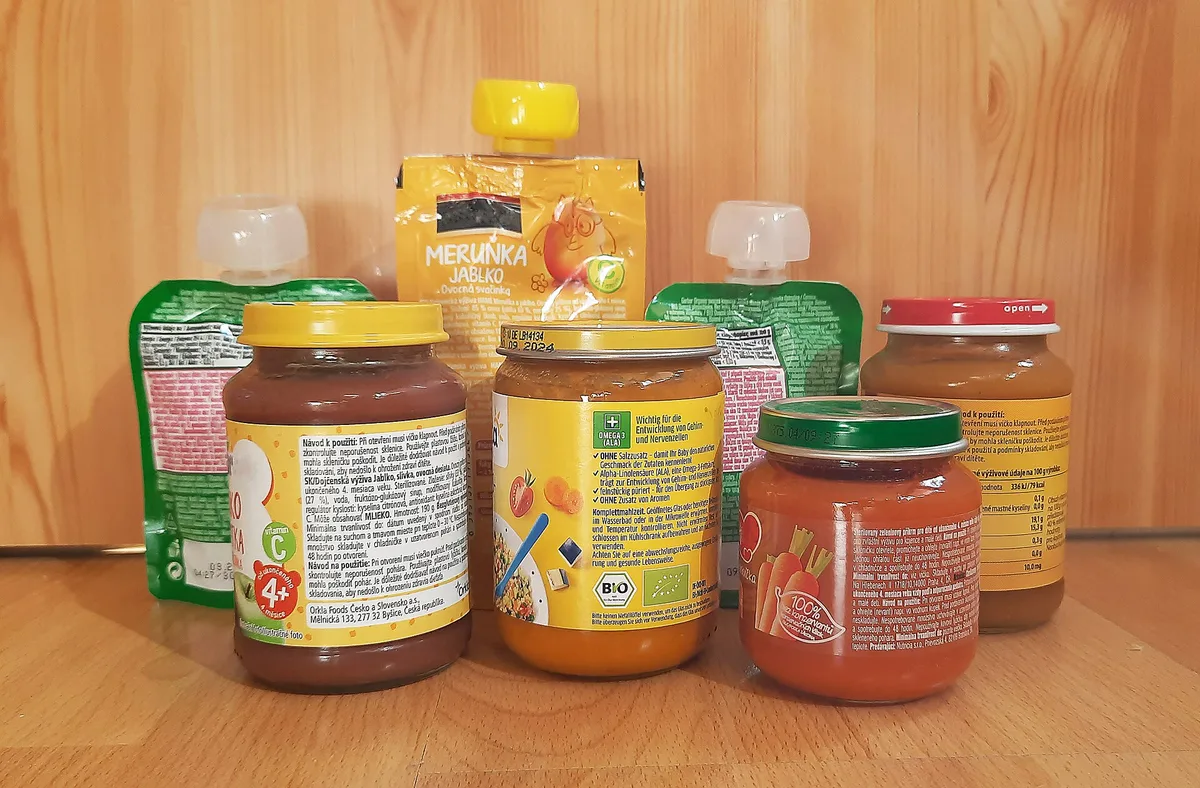
The common setup in a sauce or baby food plant is a Bostwick at the end of the cooking or blending stage, and a rotational viscometer in the QC lab. The Bostwick catches a bad batch in a minute. The viscometer is used to set the product specification in the first place, to investigate complaints, and to check that a recipe change hasn’t altered how the product behaves.
Some labs also build a correlation between the two for each product, so that when the Bostwick result moves they have a rough idea of what that means in mPa·s. That correlation only holds for the one product and recipe it was built on. It has to be rebuilt after any formulation change.
A quick way to decide
Ask what decision the number will drive. If the decision is “release this batch or hold it”, a Bostwick is usually enough. If the decision is “will this new recipe work in our filler”, you need a viscometer.
Frequently asked questions
Can you convert a Bostwick reading to viscosity?
No. A Bostwick reading depends on viscosity, yield stress and density together, so there is no general formula that turns centimeters into centipoise. Some labs build a correlation for one product, but it only holds for that product.
Is a Bostwick consistometer cheaper than a viscometer?
Yes. A Bostwick consistometer is a stainless steel trough with no electronics, so it costs a fraction of a digital rotational viscometer and needs no power.
Which one do I need for tomato paste?
For routine batch release on the line, a Bostwick consistometer. For developing a recipe or writing a specification in absolute units, a rotational viscometer. Plants that sell to customers with viscosity specifications usually need both.
Hydra supplies both in the UAE. See the Bostwick consistometer and digital rotational viscometers, or read our step-by-step guide on how to use a Bostwick consistometer. For advice on which suits your product, call +971 4 591 1958 or email sales@hydrauae.com.