How Magnetic Separators Prevent Metal Contamination in Food Plants
Posted: October 17, 2026
Metal in food rarely comes from somewhere dramatic. It comes from a sieve mesh that has been slowly fraying for a month, a bolt that vibrated loose from a hopper lid, rust flaking off the inside of an old silo, or iron fines that arrived in a bag of salt. A magnetic separator is there to catch that metal early, while it is still a small loose particle, and hold it until someone cleans it off.
Quick answer: A magnetic separator uses strong neodymium magnets inside stainless steel tubes to pull iron and steel particles out of a food product as it flows past, and holds them until the magnet is cleaned. Placed at intake, before mills and before filling, magnets remove ferrous metal early and protect equipment downstream.
Where metal contamination comes from
- Raw materials: sugar, salt, spices, grains and flour can all carry iron particles from harvesting, milling and transport.
- Wear. Mixer blades, screw conveyors, mills and pumps lose fine particles of metal as they wear. This contamination is constant and usually invisible.
- Breakage: sieve wire, screen fragments, broken knives and blades.
- Maintenance leftovers: nuts, washers, swarf from drilling, and tools left behind after a repair.
- Staples and wire from sacks and bulk bags at the tipping station.
Most of this is ferrous (iron or ordinary steel), which is why magnets are effective. Some is stainless steel from food-contact equipment, which is harder to catch. We come back to that below.
How a magnetic separator works
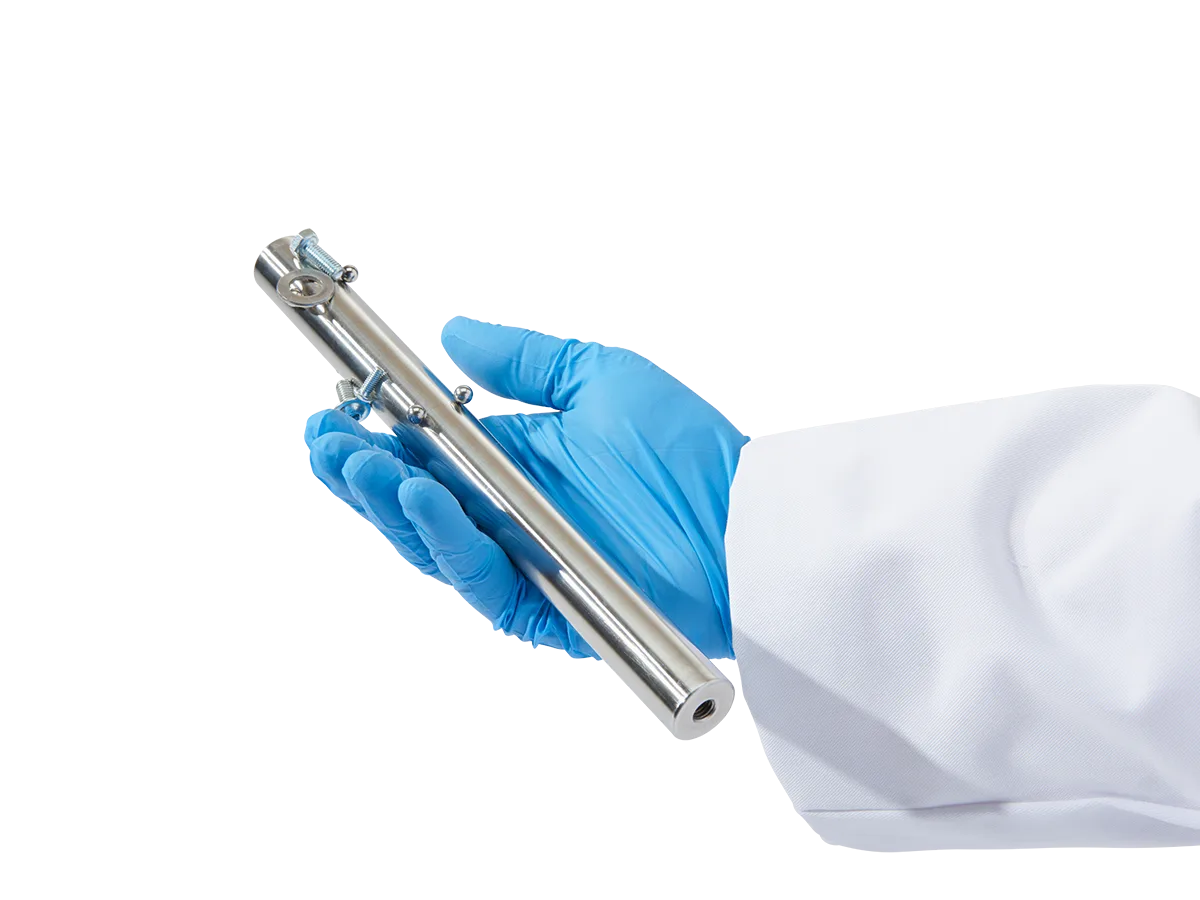
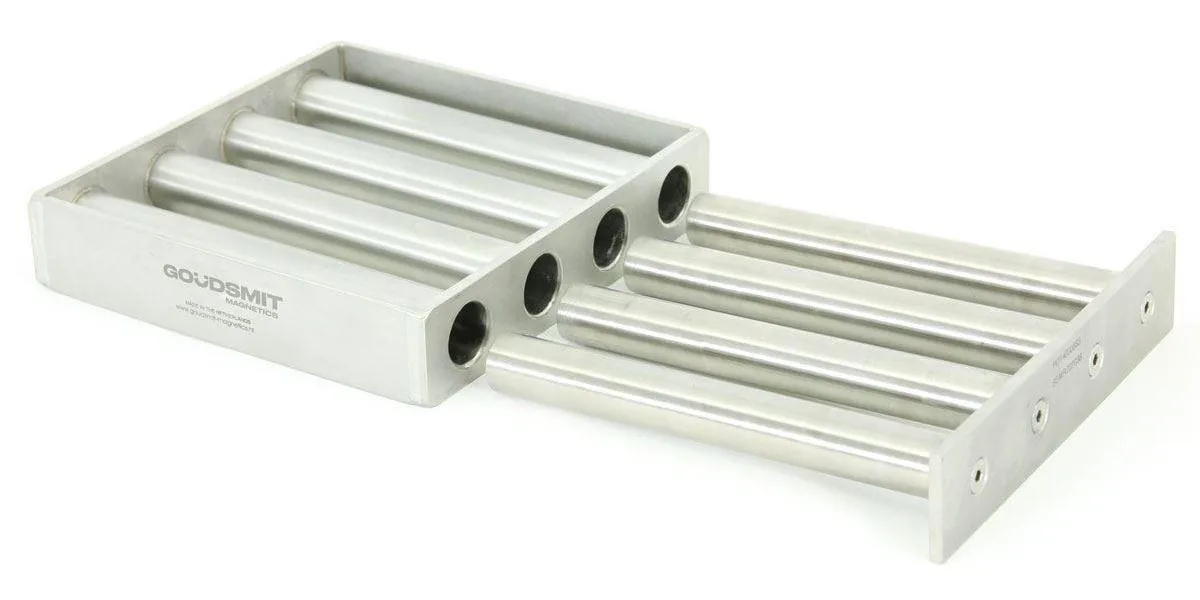
Every food grade separator is built around the same component: a polished stainless steel tube packed with strong neodymium magnets. Ferrous particles that pass close to the tube are pulled onto its surface and held there. The separator’s design decides how the product passes the tubes. A grate magnet spaces tubes across a hopper so powder falls between them. A liquid trap puts them across a pipeline. A bullet magnet in a pneumatic line forces the product to slide over a magnetic face.
Magnetic force falls off quickly with distance, so the gap between tubes and the speed of the product both matter. A magnet that is too weak, or tubes spaced too far apart, will let fine particles through without anyone noticing.
Where to put magnets on a food line
There is no single right place. Most plants end up with magnets at several points, each with a different job:
- At intake. A grate magnet in the bag-tipping station or intake hopper stops contamination in raw materials before it goes any further.
- After sieves. If a sieve screen breaks, the fragments are caught right away instead of being spread through the batch.
- Before mills, grinders and pumps. This protects expensive equipment from damage as well as protecting the product.
- In liquid lines before homogenizers, heat exchangers and fillers. A liquid trap magnet catches particles that would otherwise score plates and seals.
- Just before packing. A final magnet removes anything the process itself has added, such as wear particles from mixers and conveyors.
Powders, liquids and sticky products
Free-flowing powders and granules such as sugar, salt and rice are the easiest case. A grate magnet or drawer magnet works well. Sticky or cohesive powders such as milk powder, cocoa and premixes tend to bridge between the tubes and block the flow, so they need a rotating design that keeps the product moving.
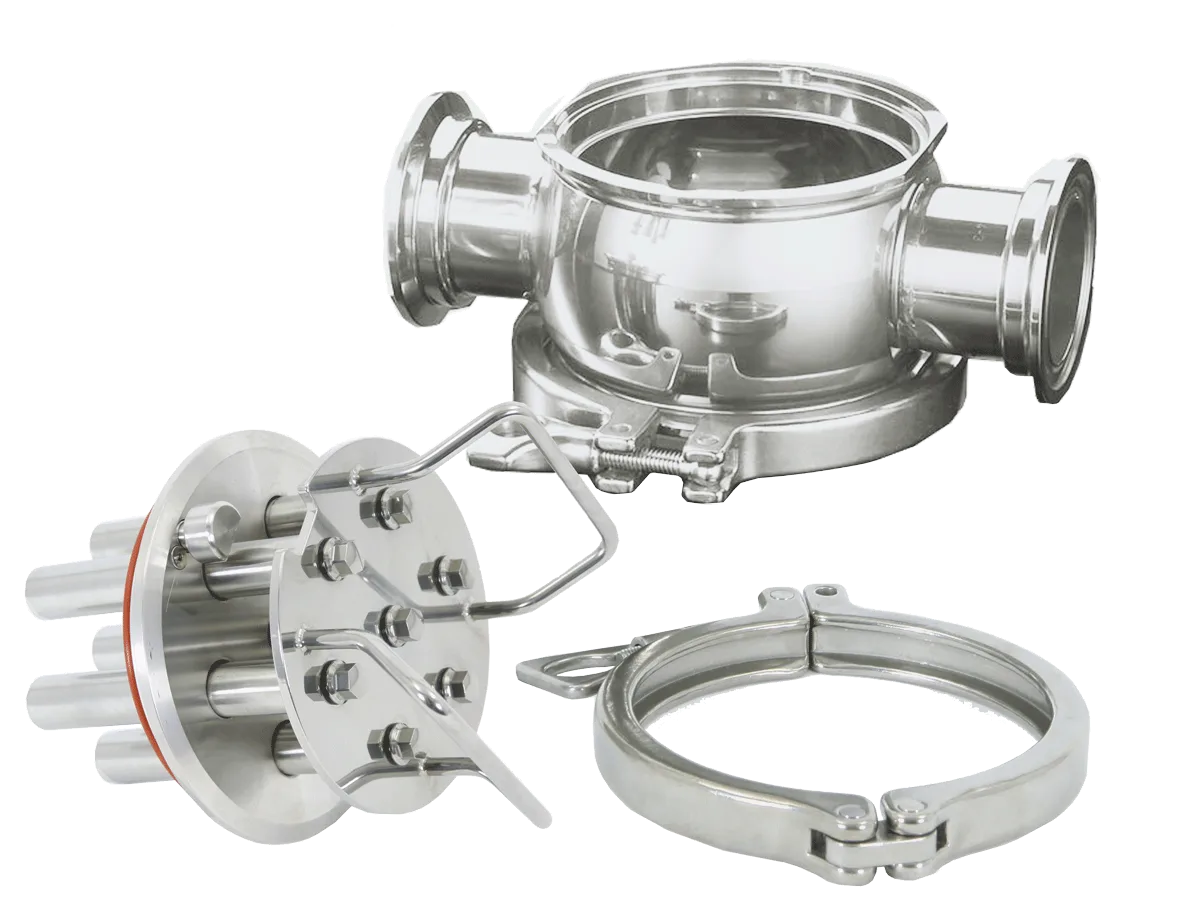
Liquids and pastes need a closed pipeline unit, usually described as a magnetic trap or liquid trap magnet. For dairy, sauces and juices, look for a hygienic design (EHEDG certification is a good sign) that can be cleaned in place.
What about stainless steel?
Most food equipment is made from 304 or 316 stainless steel, which is designed to be non-magnetic. In practice, fragments that have been bent, worn or broken off often become slightly magnetic, and a strong neodymium separator can hold many of them. You can’t count on catching all of it, though. That is one reason a magnetic separator doesn’t replace a metal detector. We explain the difference in magnetic separator vs metal detector.
Cleaning, checking and record keeping
A magnet that is never cleaned eventually stops working. Captured metal builds up until the product flow washes it off again, and the whole lot goes downstream at once. A few habits prevent this:
- Clean on a schedule. Once per shift is a sensible place to start, and you can adjust after a few weeks of results.
- Write down what you find: the date, the magnet location and what was caught (fine dust, wire, a nut). A sudden change at one point tells maintenance where to look. These records are also useful evidence for HACCP verification and audits.
- Test magnet strength. Neodymium magnets lose strength slowly, and faster if they run hot. Check the surface field with a gauss meter, typically once a year, and keep the results on file.
- Look at the tubes when you clean them. A scratched or cracked tube can let product reach the magnet material inside. Replace damaged tubes straight away.
Food safety rules in the UAE
Food businesses in the UAE are expected to run HACCP-based food safety systems. Inspectors from Dubai Municipality and ADAFSA in Abu Dhabi, and auditors for schemes such as FSSC 22000 and BRCGS, will ask how you control physical hazards, and metal is usually first on the list. Magnets at the right points, cleaned and checked on a schedule and backed by records, are one of the simplest controls to show them.
Frequently asked questions
Where should magnetic separators be installed in a food plant?
At raw material intake (grate magnets in hoppers and tipping stations), after sieving and before milling (drawer magnets), in pneumatic conveying lines (inline magnets), and before pumps and fillers on liquid lines (liquid trap magnets).
Do magnetic separators catch stainless steel?
Partly. Grades such as 304 and 316 are not magnetic in their normal state, but fragments that have been worn or work-hardened often become slightly magnetic, and high-strength magnets can hold them. You still need a metal detector for stainless steel.
How often should food magnets be cleaned?
It depends on how much metal they collect. Start by cleaning at the end of each shift, record what you find, and adjust the frequency from the results. Check magnet strength with a gauss meter, typically once a year.
As a Goudsmit Magnetics dealer, Hydra supplies Goudsmit food grade magnetic separators in the UAE and GCC, including grate magnets, drawer magnets, liquid trap magnets and inline magnets for pneumatic conveying. See the magnetic separators for food processing page, or contact us on +971 4 591 1958 or sales@hydrauae.com with details of your line.