Laboratory Safety Rules to Follow — Essential Practices for a Safer Lab Environment
Posted: December 15, 2025
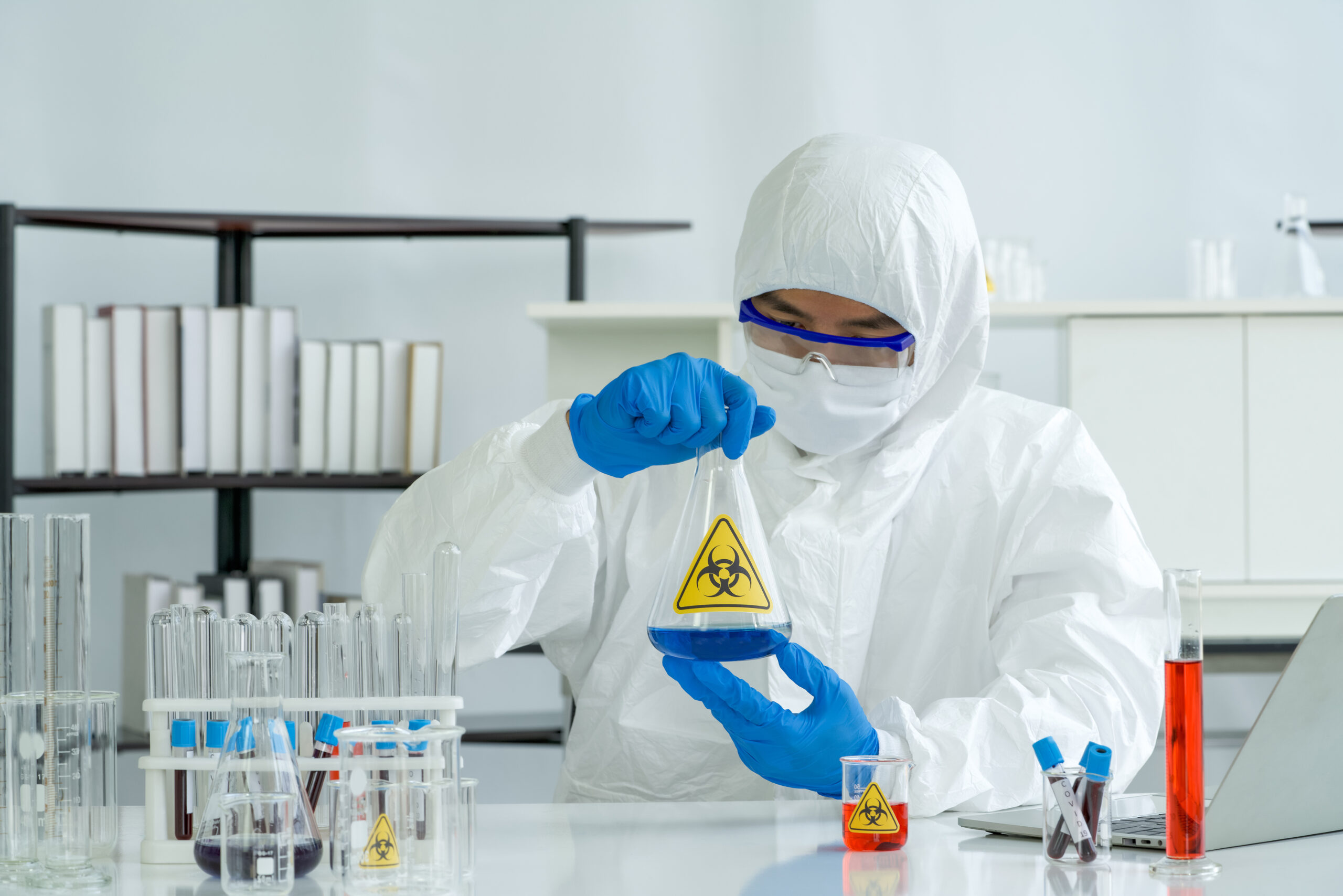
Laboratories are hubs of discovery, innovation, and critical analysis — but they also involve chemicals, delicate equipment, and potentially hazardous procedures. That is why laboratory safety rules are the foundation of any lab environment. Without proper care, labs become prone to accidents, contamination, chemical exposure, fire hazards, and data integrity failures.
Whether you are in education, research, food testing, pharmaceutical analysis or environmental monitoring, following strong lab safety procedures ensures the well-being of personnel, reliability of results, and protection of equipment.
As a leading laboratory glassware supplier, consumables, PPE, safety supplies and equipment, Hydra UAE helps labs access the tools necessary to implement safety standards. In this guide, we will walk you through the most essential safety practices, from chemical handling and storage to emergency response, equipment safety, and creating a robust lab safety checklist.
Why Following Laboratory Safety Rules Matters
Proper safety rules significantly reduce risks inherent to lab work. When labs enforce and follow safety protocols:
- Chemical exposure is prevented, protecting staff from burns, inhalation hazards, or contamination.
- Equipment accidents are minimized, reducing hazards from broken glassware, electrical faults, or mechanical failures.
- Compliance with institutional or regulatory standards becomes much easier — critical for accredited labs.
- Accuracy and quality of results improve, because contamination, cross-reaction or environmental interference are avoided.
Adhering to laboratory safety rules ensures safer operations, better data, and long-term lab sustainability.
Core Laboratory Safety Rules Every Lab Should Follow
Labs across universities, industrial R&D, food testing, pharmaceutical, environmental or clinical settings can benefit from a common safety foundation. Key universal rules:
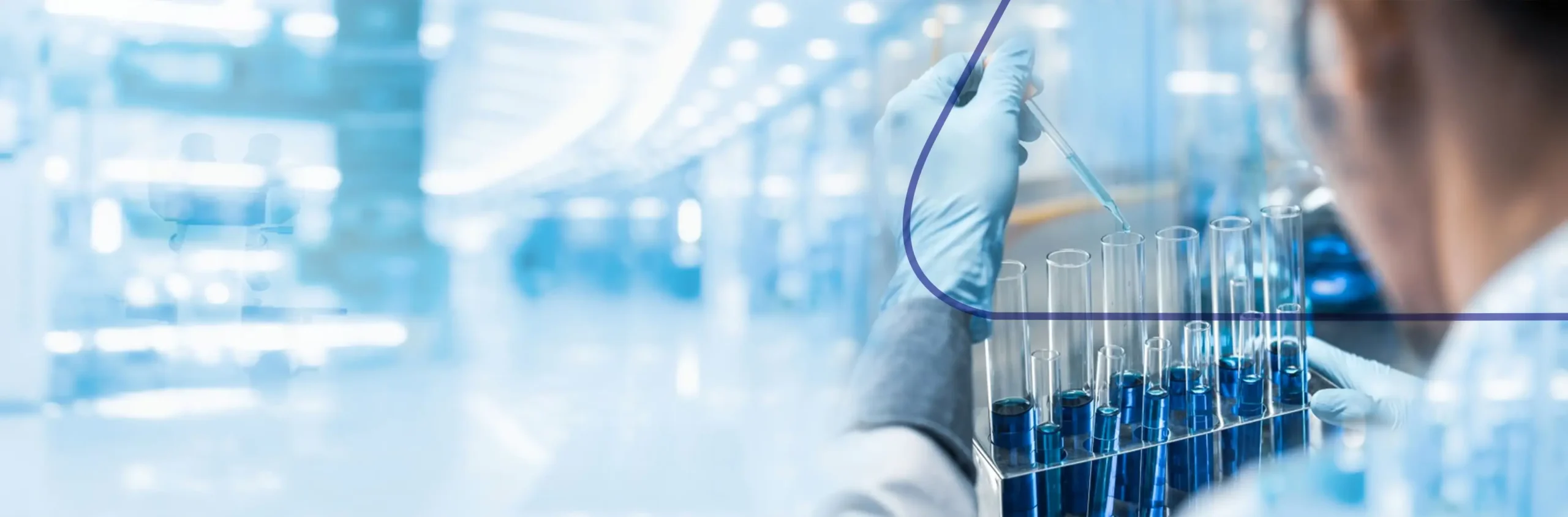
- Wear appropriate PPE — gloves, lab coats, safety goggles or face shields to guard against chemical splashes or physical hazards.
- No eating, drinking, or smoking — to prevent ingestion or contamination of samples.
- Understand chemical hazard labels — always refer to GHS symbols and SDS sheets before use.
- Operate equipment per manufacturer instructions — incorrect usage can lead to accidents or data errors.
- Dispose waste properly — separate biohazard, chemical, sharps, and regular waste in appropriate containers.
- Be prepared for emergencies — have eyewash stations, spill kits, fire extinguishers, and safety showers accessible.
- Keep the workplace clean and organized — tidy benches, uncluttered pathways, clear labels reduce risk.
- Avoid open-toe footwear or loose clothing — to reduce injury from spills, glass breakage or equipment entanglement.
These basic lab safety procedures form the foundation of a safe and compliant workspace.
Lab Safety Procedures for Chemical Handling and Storage
Handling chemicals — especially volatile solvents, corrosives, reactive or flammable agents — demands particular care. Key safe handling and storage procedures include:
- Always read the SDS (Safety Data Sheet) before using any chemical.
- Use fume hoods or proper ventilation when working with volatile or toxic substances.
- Label all chemical containers clearly with content, concentration, hazard symbols, and date.
- Store chemicals by compatibility groups: acids separate from bases; oxidizers kept away from organics; flammables stored in fire-proof cabinets.
- Use spill containment trays to catch accidental leaks or drips.
- Never store chemicals on the floor or near heat/sunlight sources — always use secure shelves or cabinets.
Adhering to these lab safety procedures reduces risk of chemical reactions, accidental exposure, and environmental contamination — and promotes chemical hygiene and safe handling culture in the lab.
Equipment Handling Safety — Preventing Accidents and Contamination
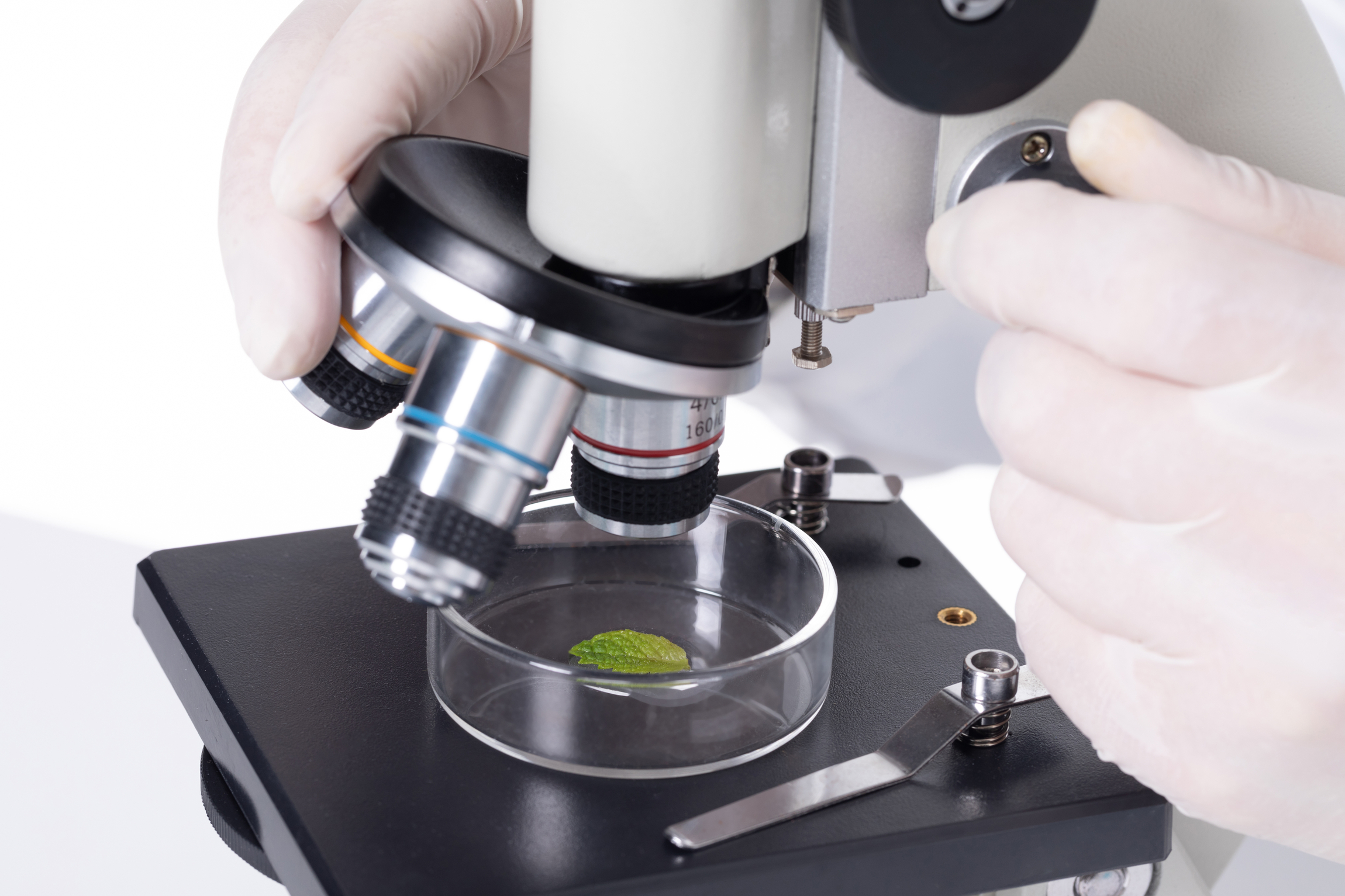
Laboratory instruments such as microscopes, centrifuges, autoclaves, laminar flow cabinets, water-testing devices, and temperature-controlled units (ovens, incubators, freezers) require careful handling to ensure safety and reliability:
- Regular inspections — check for cracks, leaks, worn-out parts, or visible damage before use.
- Ensure calibration and proper functioning — especially for devices measuring temperature, speed, pressure, or sensitive analysis.
- Avoid operating damaged or malfunctioning devices — leaking incubators, misbalanced centrifuges, or failing autoclaves can pose serious hazards.
- Follow electrical safety precautions — proper grounding, insulation, dry environment, and compliance with voltage specs.
- Proper shutdown and cleaning procedures — run cooling cycles, decontaminate surfaces, and store instruments per guidelines.
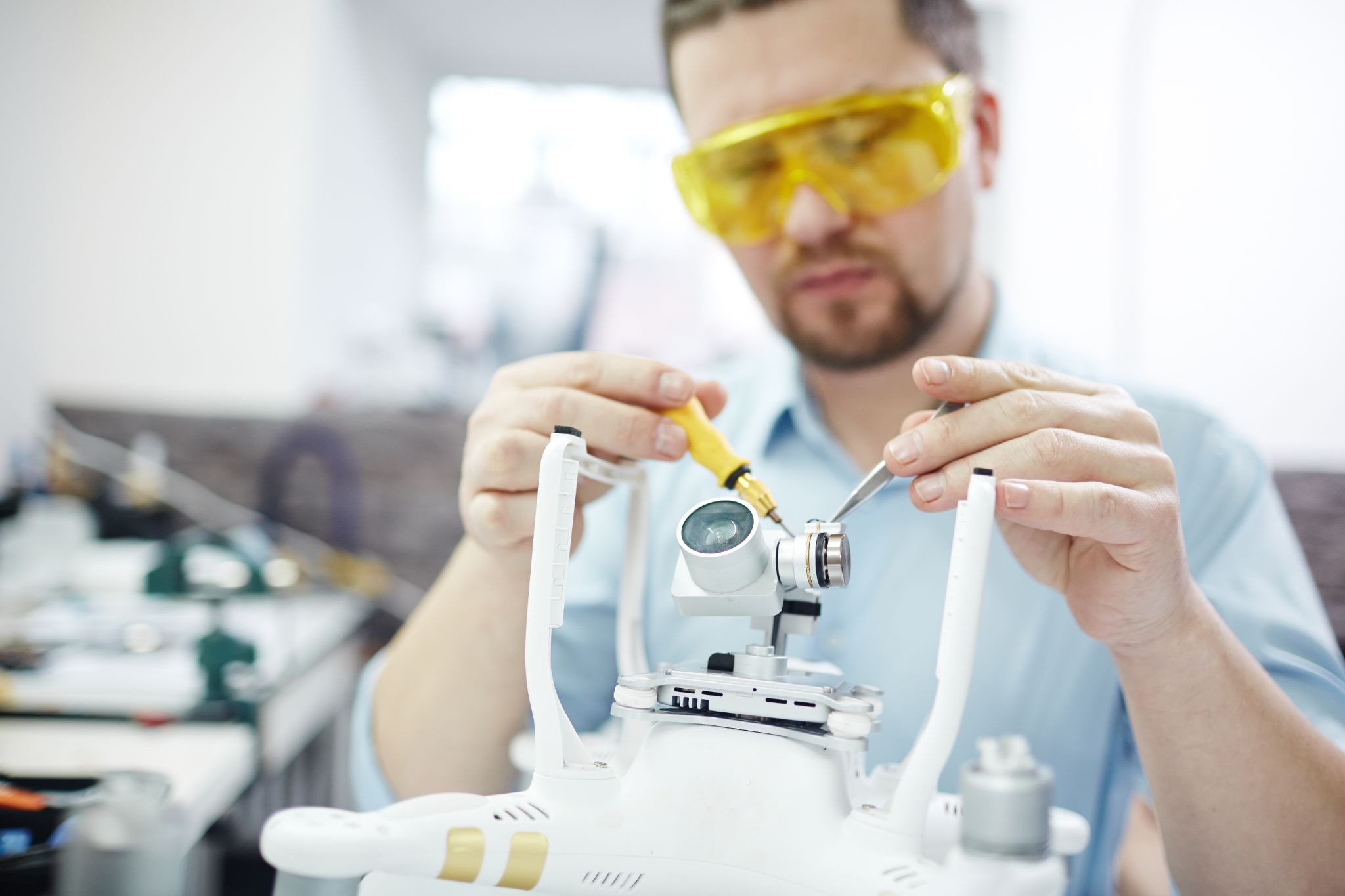
- Use only appropriate consumables and accessories — wrong parts can lead to malfunction or safety hazards.
For labs supplied by Hydra UAE, having access to quality instruments and consumables helps ensure safe operation when combined with correct handling practices.
Personal Protective Equipment (PPE) & Safety Supplies Needed in Every Lab
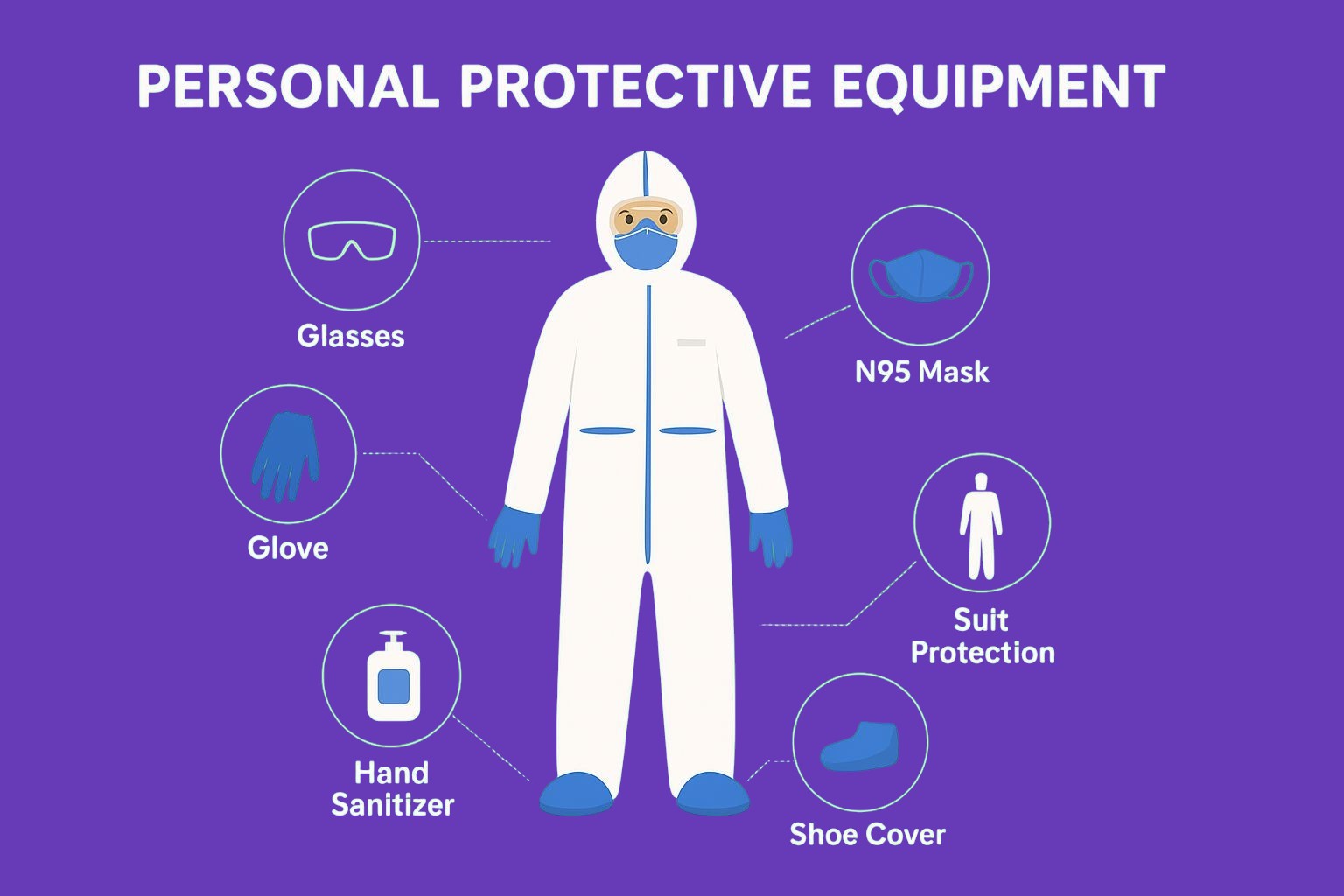
To support safe lab operations, every lab should stock and maintain essential PPE and safety supplies. Common necessary items include:
- Disposable laboratory gloves for chemical and biological protection
- Safety goggles or face shields to guard eyes against splashes
- Lab coats or protective clothing to prevent contamination or skin contact
- Emergency eyewash stations for chemicals or biological hazards
- Biohazard bags for safe disposal of hazardous waste
- Spill kits for chemical or biological spills
- Fire extinguishers (where applicable) for fire emergencies
- First-aid materials for immediate care in case of minor lab injuries
Using certified lab protection equipment and following laboratory hazard prevention standards are critical to minimising risk to personnel and samples.
Emergency Response & First-Aid Protocols in Laboratories
Emergencies can occur, even in well-managed labs. A prepared response can prevent harm and contain damage. Key protocols:
- Chemical spills — immediately contain with spill kits, use absorbent materials or neutralizing agents, ventilate area, and dispose waste properly.
- Eye or skin exposure — use eyewash stations or safety showers, flush exposed area with water for at least 15 minutes, seek medical attention as needed.
- Electrical incidents — turn off power, avoid water contact, and call qualified personnel.
- Fire emergencies — evacuate, use fire extinguishers if trained, close doors to isolate fire, alert emergency services.
- Reporting accidents — document incident, notify supervisor, log details for compliance and future prevention.
These lab safety procedures ensure that in critical moments, damage is minimised and lab integrity is preserved.
Creating a Laboratory Safety Checklist for Your Team
A consistent practice of safety thrives on structure. A lab safety checklist could include:
- PPE check (gloves, eye protection, lab coats)
- Equipment status and damage inspection
- Chemical storage and labeling review
- Fire safety tools inspection (extinguishers, alarms)
- Waste disposal bins checked and separated properly
- Cleanliness and workspace organization
- Access control and signage verification
- Record-keeping of maintenance, incidents, and consumable usage
Using a checklist helps labs stay compliant, reduce risk, and ensure that laboratory safety rules remain in everyday practice rather than occasional reminders.
Hydra UAE’s Role in Supporting Laboratory Safety Standards
Hydra UAE plays a supportive role by supplying a wide range of quality laboratory safety equipment and supplies, including:
- Laboratory gloves, safety goggles, lab coats, and protective wear
- Biohazard disposal bags and waste management supplies
- Spill kits and containment tools
- Eyewash stations and basic first-aid safety equipment
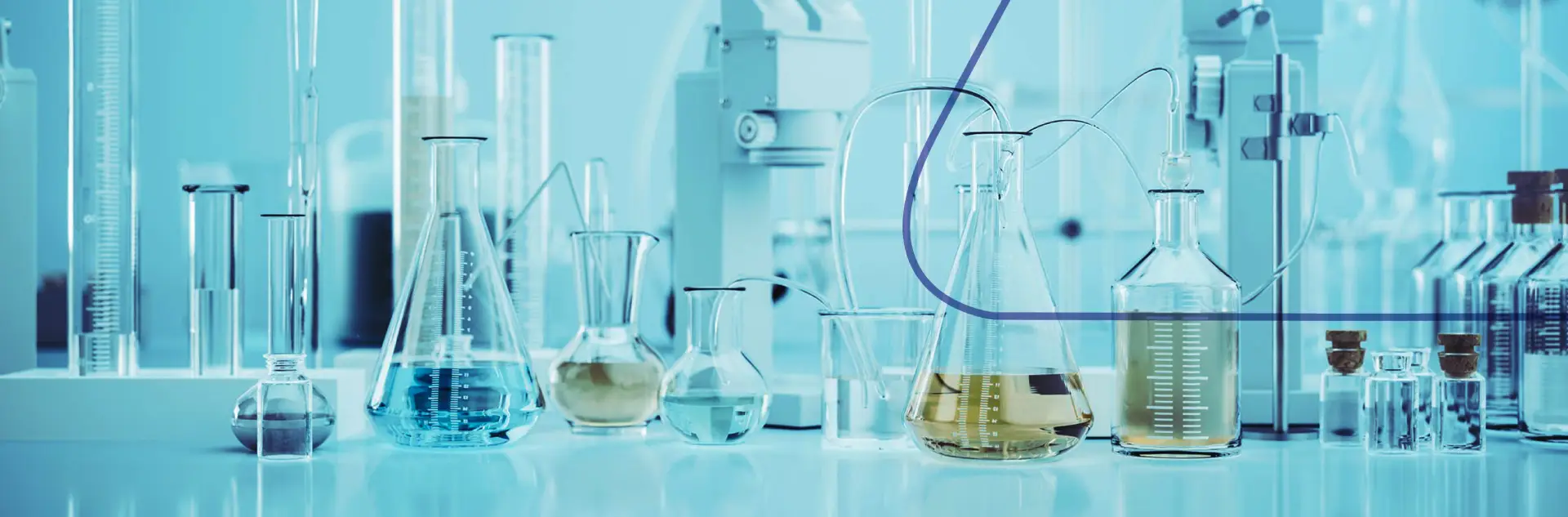
- Laboratory glassware, consumables, and chemical storage containers
- Appropriate safety signage and storage solutions
By equipping labs with certified lab PPE essentials and compliant safety supplies, Hydra UAE enables lab teams to follow proper lab safety rules and maintain a safer working environment.
Final Thoughts: Building a Culture of Safety in Every Laboratory
Laboratory work combines great potential with real responsibility. Following laboratory safety rules to follow is non-negotiable for protecting personnel, preserving sample integrity, and ensuring reliable results.
From consistent PPE use and chemical hygiene to proper equipment handling and emergency preparedness — strong lab safety procedures build a culture of safety and professionalism. With reliable supplies, clear procedures, and disciplined practices, any laboratory can sustain secure, compliant, and efficient operations. Enhance your lab’s safety standards with the right tools and protective equipment—visit Hydra UAE to review the available safety and laboratory products
Stay safe, stay prepared — because good science begins with safety.